By Roya Tarzaban, classically trained chef and senior recipe developer.
Part of Culinary Tips: what years of recipe development have taught me about cooking.
Hey friends! Let's talk about fish... and why so many of us feel a little nervous cooking it at home.
Fish is one of those things so many home cooks say they'd love to cook more, but don't. They're not sure how to pick a good piece at the counter, how long it keeps in the fridge, or how to get rid of that "fishy" smell. So it stays a restaurant treat.
Here's the thing: great fish dishes start long before the pan is hot. Buy it fresh, store it cold, prep it well, and the cooking part becomes easy. Let's walk through it, from the fish counter to the cutting board.
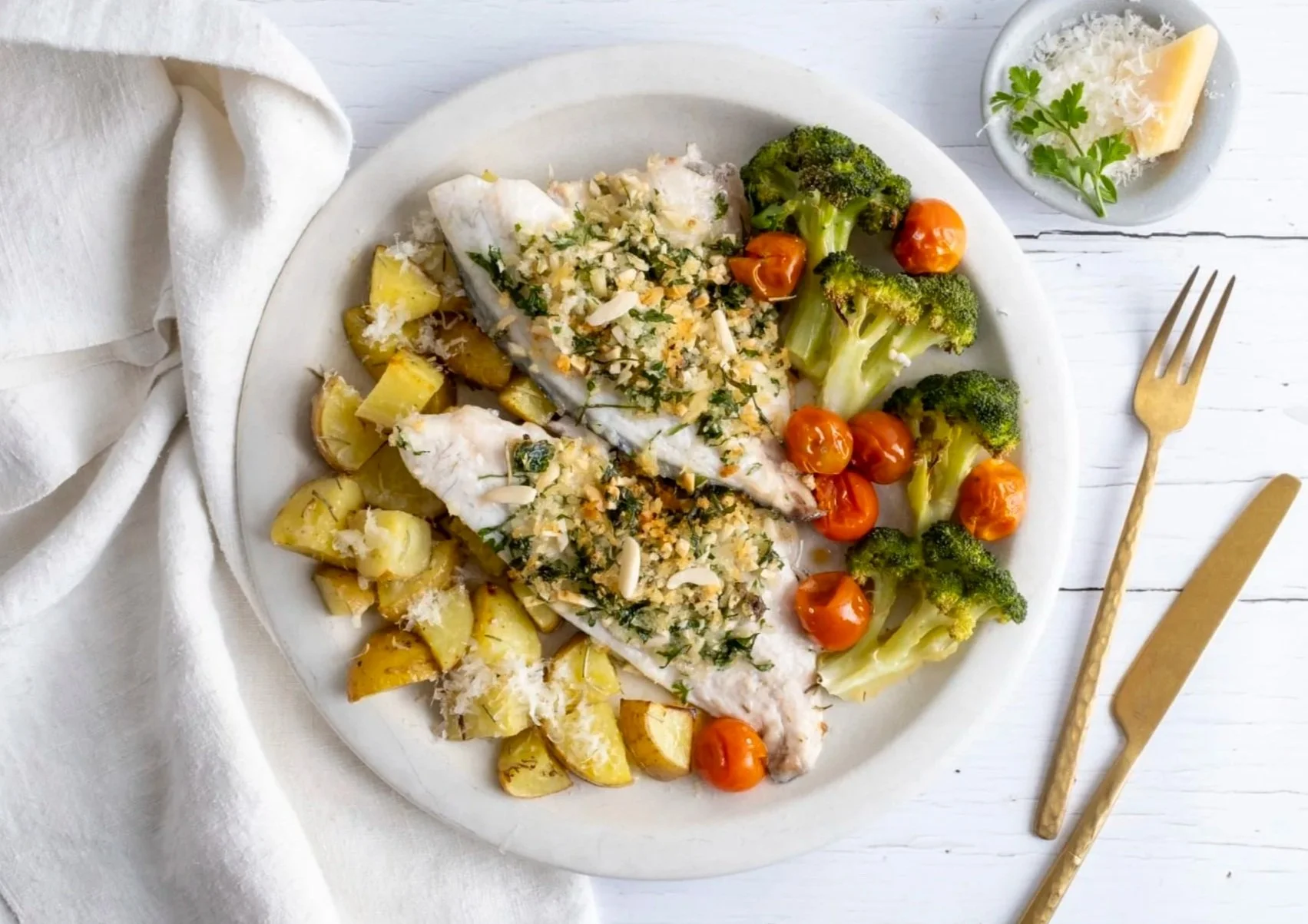
How to tell fish is fresh
Your nose and your eyes are your best tools at the fish counter. Here's what to look for:
The smell. Fresh fish smells mild and clean, like the sea. It should never smell "fishy," sour or like ammonia. If it does, walk away.
The flesh. It should look moist and feel firm. Press it gently (or ask the fishmonger to); it should spring right back.
The fillets. Look for even color with no dark, dried-out or discolored edges.
Whole fish. The eyes should be clear and shiny, not cloudy or sunken, and the gills should be red.
Prawns. They should smell of very little at all, with firm, pearly flesh.
How it's kept. Fresh fish should be refrigerated or sitting on a thick bed of fresh ice.
Don't be shy about asking questions. A good fishmonger is happy to tell you what came in today, help you pick the best piece, and even skin and portion it for you. Let them know how you intend to use it.. be it fried, poached, or baked.
Frozen fish is a great choice
Frozen fish often gets a bad rap, but a lot of it is frozen very quickly after it's caught, so it can be just as good as "fresh" fish that's spent days traveling to the store. It's also convenient to keep on hand for busy weeknights.
When buying frozen, choose packages that are sealed and undamaged, with the fish frozen solid. Skip packages with lots of frost or ice crystals inside. That can mean the fish has been stored a long time, or thawed and refrozen along the way.
Storing and thawing
Get it cold, fast. Make the fish counter your last stop at the store, and get it into the fridge as soon as you're home. On a hot day, a cooler bag with an ice pack in the car makes a big difference.
Fresh fish: cook within 2 days. Keep it in the coldest part of the fridge, at 40°F (4°C) or below. I like to set it on a plate on the bottom shelf, so no juices can drip onto anything else. Not cooking it within a couple of days? Wrap it tightly and freeze it.
Thaw it in the fridge. The best way to thaw frozen fish is slowly, in the fridge overnight. Leave it in its packaging and set it on a deep plate.
In a hurry? Seal the fish in a zip-top bag, squeeze out the air, and submerge it in a bowl of cold water. Most fillets thaw in under an hour this way. You can also use the microwave's defrost setting, but only if you're cooking the fish straight away. Either way, never thaw fish on the counter or in hot water.
Pat it dry. Thawed fish releases quite a bit of liquid. Drain it, then pat it really dry with paper towels before seasoning. This matters SO much: dry fish seasons better, crisps better and doesn't water down your sauce.
Cook it through. Fish is done when it turns opaque and flakes easily with a fork, or reaches an internal temperature of 145°F (63°C).
Prepping fish like a pro
The quick freshening trick. Here's a little tip that surprises a lot of people: a quick rinse with salt, citrus or milk helps tone down any strong "fishy" smell and gives a cleaner, purer flavor. Pick one:
Salt: rub the fish lightly with salt, leave it for a few minutes, then rinse.
Citrus: a quick rinse with water and a squeeze of lemon or lime.
Milk: soak the fish in milk for about 15 minutes, then discard the milk and pat the fish dry. It's not the most common trick, but there's real science behind it. That "fishy" smell comes from a compound called trimethylamine (TMA), which builds up after a fish is caught. Casein, a protein in milk, grabs onto the TMA, so when you pour the milk away, much of the smell goes with it. The result is cleaner, sweeter-tasting fish.
Whichever you choose, rinse gently under cold water, then pat the fish completely dry. Keep it quick and tidy too: rinse over a clean sink, and wash the sink, your hands and anything the raw fish touched afterwards.
Remove the skin (if your recipe calls for it). For stews and curries, we want skinless fish. Lay the fillet skin-side down on a board with the tail end toward you. Hold the tail end down firmly (a fork helps), angle your knife blade down slightly, and slide it between the skin and flesh, pushing away from you. A long, sharp, flexible knife makes this SO much easier.
Check for pin bones. Run your fingertips along the center of the fillet, against the grain. If you feel any small bones poking up, pull them out with clean tweezers, tugging in the direction they point.
Cut even pieces. Whether you're baking whole portions or cutting bite-sized chunks for a curry, keep the pieces the same size so they cook at the same rate. Thin tail ends can be folded under to match the thicker part.
Pat dry, then season. Just before cooking, pat the fish dry once more. Moisture is the enemy of a golden crust, and dry fish holds its seasoning and coatings much better.
Marinating with citrus: keep it short
Lime or lemon zest and juice are a fish's best friends. A little citrus before cooking brightens the flavor and makes the whole dish taste fresher.
But there's a catch. Acid starts to "cook" the outside of fish, much like in ceviche. Leave it too long and the surface turns opaque, chalky and mushy before it ever sees the heat.
Keep it to 15–30 minutes. That's plenty of time for the flavor to sink in. A great habit is to season the fish first, then let it sit in the fridge while you prep everything else.
Zest does the heavy lifting. The zest holds lots of flavor without much acid, so you can be generous with it and lighter with the juice.
Save some for the end. A fresh squeeze of citrus just before serving gives the brightest flavor of all.
Keep it cold. Always marinate fish in the fridge, never on the counter.
Quick questions
Can I refreeze thawed fish? If it was thawed in the fridge and hasn't been left out, it's safe to refreeze, though the texture may suffer a little. Fish thawed in cold water or the microwave should be cooked first.
Why does my fish stick to the pan? Usually it's wet, the pan isn't hot enough, or it was moved too soon. Pat it dry, preheat the pan, and let it release on its own before flipping.
Skin on or off? For crispy pan-fried or baked fillets, leave the skin on; it protects the flesh and crisps up beautifully. For stews, curries and fish cakes, take it off.
The takeaway
Good fish cooking starts at the counter. Trust your nose, choose firm, moist, fresh-smelling fish (or good-quality frozen), keep it cold and cook it within two days. Thaw it in the fridge, give it a quick freshening rinse, pat it really dry, and keep citrus marinades short. Do that, and fish becomes one of the quickest, easiest dinners you'll make.
So, what's your favorite fish to cook at home? Let your intuition be your guide, and happy cooking, friends!
Roya Tarzaban is a classically trained chef and senior recipe developer who has developed and tested more than 200 recipes for home cooks, from everyday family meals to premium gourmet menus, and taught hands-on cooking workshops. Through Culinary Tips, she shares the whys and how-tos behind the techniques that make the biggest difference in home cooking.
