By Roya Tarzaban, classically trained chef and senior recipe developer.
Part of Culinary Tips: what years of recipe development have taught me about cooking.
Hey friends! Today we're talking about one of the coziest things you can pull out of an oven... a loaf cake.
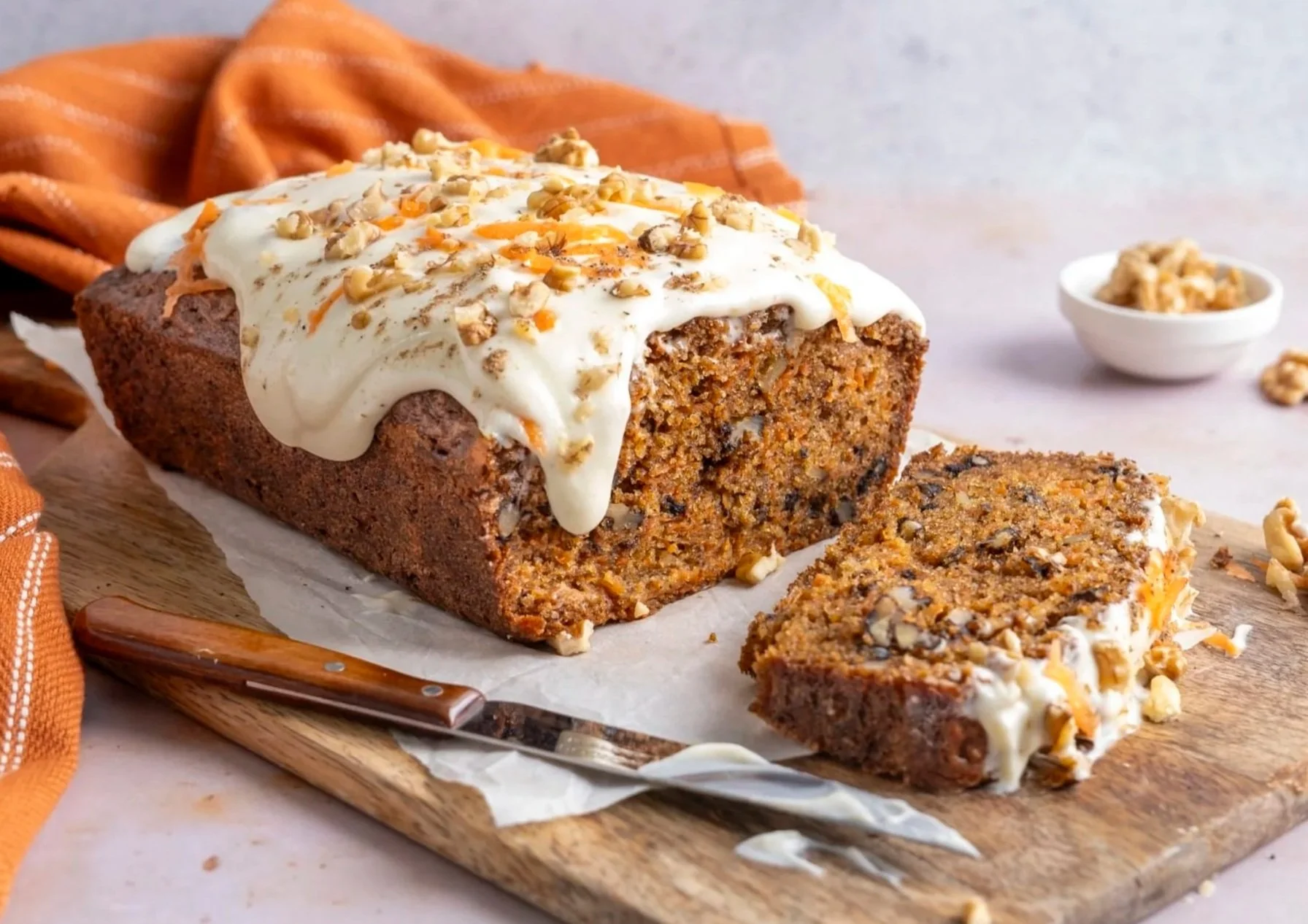
Lemon and blueberry, cranberry and orange, spiced carrot with walnuts. A good loaf cake is soft, moist and full of flavor, with a golden top and a tender crumb that holds together when you slice it. It's the kind of bake we keep on the counter all week, wrapped up and ready for an afternoon coffee.
But loaf cakes can be sneaky. They come out dense and heavy. They dome and crack, then sink in the middle. The outside goes dark while the center is still wet. The berries all end up at the bottom. Sound familiar?
When you develop and test loaf cakes over and over, you start to notice that the same handful of small steps makes the difference every time. None of them are fancy. Most take a minute or less. Let's walk through them, from the ingredients on the counter to the last slice in the freezer.
Start with room-temperature butter and eggs
This is the step everyone wants to skip, and it's the one that matters most. Take the butter and eggs out of the fridge 30–60 minutes before you start baking. Then preheat the oven and line the pan while you wait.
Why does it matter so much? When we beat softened butter with sugar, the sugar crystals cut tiny air pockets into the fat. Those air pockets are what the baking powder inflates in the oven, and they're what gives us a light, even crumb. Cold, hard butter just can't trap air like that. It breaks into clumps instead of turning creamy.
Cold eggs cause a different problem. Add them to creamed butter and they firm the butter right back up, so the batter looks curdled and broken. A broken batter holds less air and bakes up denser and greasier.
Here's what we're looking for:
Butter: soft enough that your finger leaves a dent when you press it, but still cool and holding its shape. Not shiny or melting.
Eggs: no longer cold to the touch. In a hurry? Sit them in a bowl of warm tap water for 5–10 minutes.
Sour cream: out of the fridge with everything else, so it doesn't chill the batter at the end.
Short on time? Try the warm bowl trick. Pour boiling water into a heatproof bowl, swirl it around for a minute, then pour it out. Add the butter and the eggs whole, and cover the bowl with a plate. The gentle heat and trapped steam soften the butter and take the chill off the eggs without melting anything. Check after 5–10 minutes; we want the butter soft, not shiny or greasy.
A little oil helps too. Many of the loaf cakes we developed use both butter and a couple of tablespoons of oil. Butter brings flavor and structure, and oil stays liquid at room temperature, so the cake still feels moist on day three. Sour cream adds a gentle tang and even more tenderness. That combination is a big part of why a good loaf cake doesn't dry out.
Rub the zest into the sugar
This one is my favorite little trick, and once you try it you'll never skip it again.
For any citrus loaf, zest the lemons or oranges straight into the bowl with the sugar. Then, using your fingertips, rub the two together for about a minute, until the sugar looks damp, clumps slightly and smells AMAZING. We call this the "wet sand" stage.
What's happening? Most of a citrus fruit's flavor lives in the oils inside the colorful outer skin. Rubbing the zest against the rough sugar crystals breaks open those tiny oil pockets and pulls the oils out into the sugar. Then, when the sugar is creamed with the butter, that flavor is carried through every bite of the cake. The result is a loaf that tastes bright and zesty, not just faintly lemony.
A few things to keep in mind:
Zest only the colored part. The white pith underneath is bitter. A microplane or the fine side of a box grater makes this easy.
Zest first, juice second. It's much easier to zest a whole fruit than a squeezed half.
Save the juice. Use some in the batter and keep a little for the glaze or drizzle on top.
This works with any citrus: lime with coconut, orange with cranberry, even grapefruit. And it isn't only for loaf cakes... try it in muffins, cookies or a simple sponge. mmm.. so good.
Mix with a gentle hand
The creaming stage is where we want energy. Everything after that is about being gentle.
Cream the butter, oil and sugar for 2–3 minutes, until the mixture is pale and creamy and most of the sugar has dissolved.
Add the eggs one at a time, beating well after each, and scrape down the bowl in between so nothing hides at the bottom.
Stir in the sour cream just until it disappears.
Add half the dry ingredients, then the citrus juice, then the rest of the dry ingredients. Switch from the mixer to a spatula for that last addition.
Why alternate? Adding the flour in two parts, with the liquid in between, keeps the batter smooth and stops it from splitting. It also means less mixing overall.
Why stop early? As soon as flour meets liquid and gets stirred, it starts to form gluten. A little gluten holds the cake together. Too much makes it tough and chewy, and can leave long tunnels running through the crumb. So mix just until the last streaks of flour disappear, and stop there. A few small lumps are totally fine.
A spoonful of cornstarch. You'll notice many of our loaf cakes add a little cornstarch to the flour. It lowers the overall protein, which means less gluten and a softer, finer crumb, almost like using cake flour. Sift or whisk it in with the flour, baking powder and salt so it's evenly spread.
Keeping berries and add-ins where they belong
Nobody wants a loaf with all the blueberries in a purple layer at the bottom. A few tips:
Fold them in last, gently, with a spatula, so they don't burst and streak the batter.
Hold some back for the top. Scatter the rest over the batter once it's in the pan. As the cake rises, they settle into the top half.
A thick batter helps most. A loaf batter should be thick and spoonable, not runny, so it can hold fruit up as it bakes.
Dried fruit? Soak cranberries or raisins in hot water for a minute, then drain and squeeze them well. They'll be plump and juicy and won't pull moisture from the cake.
Grated carrot varies a lot in size. If your carrots are big, you don't need all of them. Let your intuition be your guide; the batter should still be thick, not wet.
Bake low, slow and in the middle
A loaf pan is deep and narrow, so the batter takes a long time to cook through to the center. That's the whole challenge: we need the middle to set before the outside overbakes.
Moderate heat. Most loaf cakes bake best at around 325-350°F (170–180°C), for 45–55 minutes. A hotter oven browns the outside long before the center is ready.
Middle rack. Bake in the center of the oven, where the heat is the most even. Too close to the top and the crust darkens fast; too close to the bottom and the base can scorch.
Line the pan. Grease the pan, then line it with a strip of parchment that hangs over the long sides. Once the cake has cooled a little, you can lift it straight out by the "handles" with no sticking.
Mind your pan. A standard loaf pan is about 8x4 or 9x5 inches (20x10cm or 23x13cm). Dark metal pans bake faster and brown more, so start checking a few minutes early. Glass pans hold heat and can overbrown the edges. No loaf pan? An 8-inch (20cm) square or round pan works too; it will bake faster, so check it sooner.
Tent it if it browns early. If the top is golden but the center is still wobbly, loosely lay a sheet of foil or parchment over the pan for the rest of the bake. It slows the browning and lets the middle catch up.
Don't panic about the crack. A crack running down the center of a loaf cake is completely normal; it's where the last of the batter pushes up as the outside sets. It's part of the charm!
Is it done?
Slide a toothpick or thin skewer into the center of the loaf (the crack is a good spot). It should come out clean, or with a few moist crumbs, but no wet batter. If you have a thermometer, the center should read around 200–210°F (93–99°C). And resist opening the oven door in the first 30–40 minutes, as a rush of cool air can make a rising cake sink.
Cool it in two stages. Let the loaf rest in the pan for 15–20 minutes so it firms up, then lift it out onto a rack to cool completely. Leave it in the pan too long and steam gets trapped, making the sides and base soggy.
Glazing, storing and freezing
Wait until it's completely cool. A glaze poured over a warm cake melts and runs straight off the sides. Give the loaf at least an hour on the rack first.
A simple cream cheese drizzle. Whisk softened cream cheese until smooth, sift in some icing sugar, then loosen it with a spoonful of the reserved lemon or orange juice until it falls off the spoon in a thick ribbon. A short chill in the fridge helps it set nicely on the cake. For a cranberry orange loaf, melted white chocolate drizzled over the top is lovely too.
Storing. Wrap an unglazed loaf well and keep it at room temperature for 3–4 days. Once it has a cream cheese glaze, store it in the fridge.
Freeze it in slices. This is the tip home cooks thank me for most! Slice the unglazed loaf, wrap each slice, and freeze for up to 3 months. Pull out a slice in the morning and it's thawed by lunch... perfect for lunchboxes and on-the-go snacks.
When things go wrong
| Problem | Likely cause | Fix next time |
|---|---|---|
| Dense and heavy | Cold butter or eggs; under-creamed | Bring ingredients to room temperature; cream 2–3 minutes |
| Tough, with tunnels | Overmixed after adding flour | Fold in the last flour by hand; stop when streaks disappear |
| Sank in the middle | Underbaked, or oven opened too early | Test with a toothpick; keep the door shut for the first 30–40 minutes |
| Dark outside, raw inside | Oven too hot, or rack too high | Bake at about 350°F (175–180°C) on the middle rack; tent with foil |
| Fruit sank to the bottom | Batter too thin, or all fruit mixed in | Keep the batter thick; scatter some fruit on top |
| Soggy sides | Left too long in the pan | Lift it out after 15–20 minutes |
Quick questions
Can I swap the sour cream? Yes. Plain Greek yogurt works the same way and keeps the cake just as tender.
Can I use all butter or all oil? You can. All butter gives more flavor but dries out a little faster. All oil stays moist longer but tastes plainer. A mix gives us the best of both.
Frozen berries? Use them straight from frozen, so they don't bleed color into the batter, and add a few extra minutes to the bake.
The takeaway
A tender loaf cake comes down to a few small habits. Start with room-temperature ingredients, rub the zest into the sugar, cream well and then mix gently, and bake low and slow in the middle of the oven. Cool it properly, and freeze a few slices for later.
So, which loaf are you baking first... lemon blueberry, cranberry orange or spiced carrot? To the oven! Happy baking, friends!
Roya Tarzaban is a classically trained chef and senior recipe developer who has developed and tested more than 200 recipes for home cooks, from everyday family meals to premium gourmet menus, and taught hands-on cooking workshops. Through Culinary Tips, she shares the whys and how-tos behind the techniques that make the biggest difference in home cooking.
