By Roya Tarzaban, classically trained chef and senior recipe developer.
Part of Culinary Tips: what years of recipe development have taught me about cooking.
Hey friends! Let's talk about one of my all-time favorite kitchen tricks... and the secret ingredient is probably already sitting in your pantry.
Order beef and broccoli from a good Chinese restaurant and the beef is silky, tender and almost melts as you bite into it. Make it at home with the same cut and the same sauce, and it often comes out chewy, dry or tough around the edges. Sound familiar?
The difference usually isn't the cut, the sauce or even the wok. It's a step that happens before the beef ever touches the heat: a quick treatment with baking soda.
I first came across this technique while researching Asian beef dishes for a recipe development project, and it kept popping up in cookbooks and from food writers I trust. At the time, we'd just introduced thin beef strips to the menu, and searing them the usual way left them dry and nowhere near that takeout tenderness. So I brought baking soda to the food team as a step to try. We tested it... and tested it... and tested it some more. Once we got it right, it became one of those tips home cooks LOVED learning.
It takes less than a teaspoon, adds just 15–20 minutes to your prep, and turns everyday steak strips into something that tastes like it came from your favorite restaurant. Let's get into how it works, how much to use, and the one mistake that ruins it.
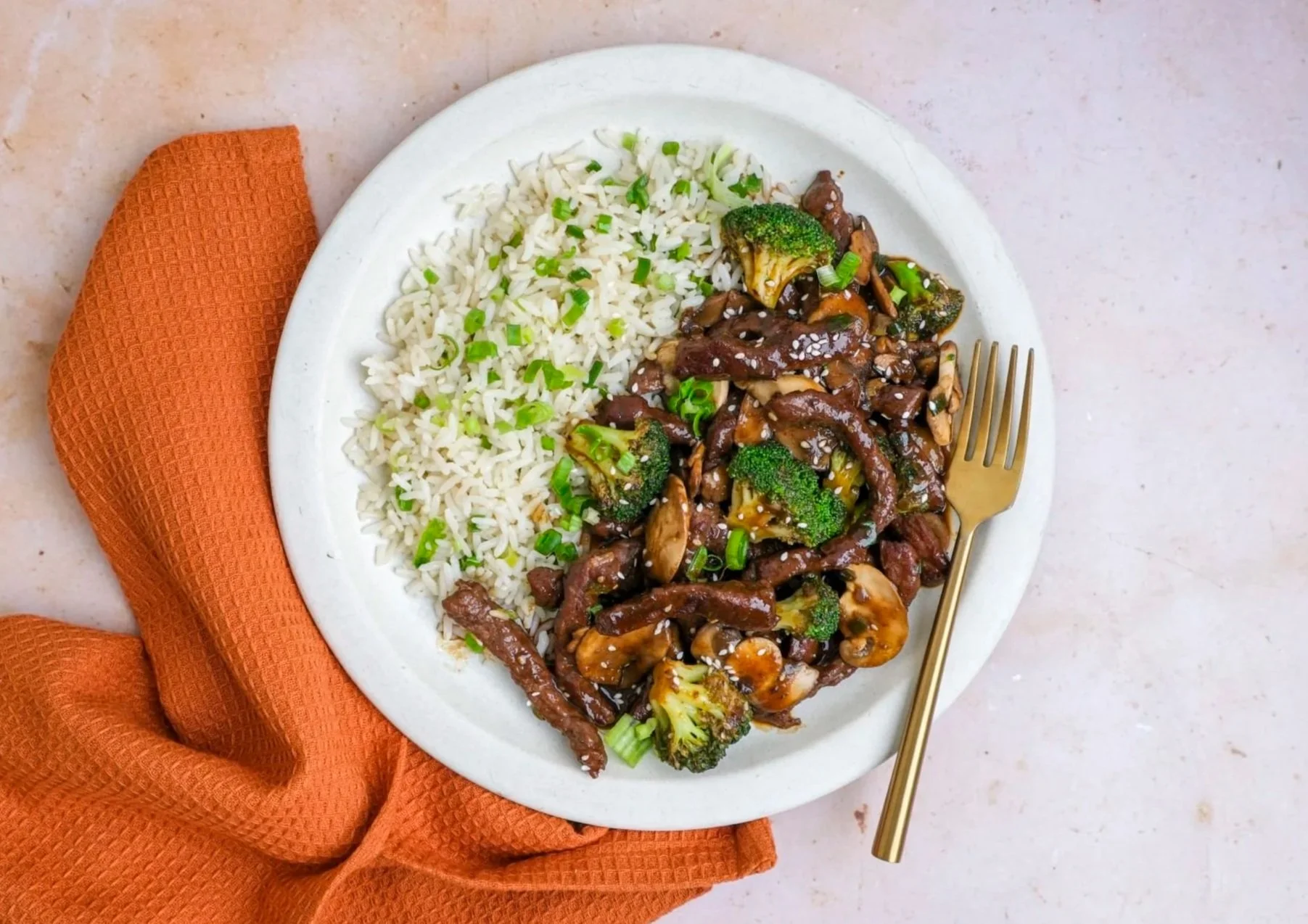
How baking soda makes beef tender
The nerdy, science bit... Baking soda (sodium bicarbonate) is alkaline. When it coats the surface of the meat, it raises the pH, making the meat less acidic.
That small chemical shift changes how the meat's proteins behave when they heat up. Normally, as beef cooks, its muscle proteins tighten and bond together, squeezing out moisture as they go... which is why overcooked beef ends up dry and tough. At a higher pH, those proteins have a harder time bonding tightly. They stay looser, so the meat hangs on to more of its own juices as it cooks.
The result? Beef that stays juicy and tender even when it's seared hard over high heat, which is exactly what a stir-fry asks of it. Chinese cooks have used alkaline treatments like this for generations, as part of a technique often called "velveting," and plenty of restaurant kitchens still rely on it today.
And here's a little bonus: meat with a higher pH also browns more easily, so the same pinch of baking soda that keeps your beef tender helps it pick up gorgeous color in the few minutes it spends in the pan.
Start with the right cut,
sliced the right way
Baking soda does a LOT, but it can't rescue the wrong cut or a bad slice. For stir-fries, we want beef that's flavorful and cooks quickly:
Flank steak: the classic choice for beef and broccoli or Mongolian-style beef. Lean, beefy and easy to slice thin.
Skirt steak: even more flavor and a little more fat, with a slightly looser texture.
Sirloin or top sirloin: affordable, tender and easy to find, often sold as stir-fry strips.
Flat iron: super tender and nicely marbled, a great pick if you can find it.
Save stew cuts like chuck for low and slow cooking. They need long, gentle heat to break down their connective tissue, and a few minutes in a wok just won't do it.
Slice against the grain. Look closely at the steak and you'll see long, parallel muscle fibers running in one direction. Cut across them, not along them. That way every slice is made of short fibers, which feel tender when you chew. Slice along the grain and you'll get long, stringy pieces that stay chewy no matter what we do to them.
Slice thin. Aim for about ¼ inch (6mm). Thin slices cook through in the time it takes to brown them. Finding thin slicing tricky? Pop the steak in the freezer for 20–30 minutes first. Slightly firm meat is SO much easier to cut cleanly.
Two ways to do it
There are two reliable methods, and both work beautifully. Which one you choose depends on how you plan to season the beef.
| Quick soak and rinse | All-in-one marinade | |
|---|---|---|
| Best for | Any stir-fry, especially lightly sauced dishes where you want clean beef flavor | Saucy dishes like Mongolian beef or beef and broccoli |
| Baking soda | About ½ tsp per 8 oz (225g) beef, dissolved in 2 tbsp water | About ¼–½ tsp per 8 oz (225g), mixed straight into the marinade |
| Time | 15–20 minutes | 15–20 minutes |
| Rinse? | Yes, then pat dry | No |
| What else goes in | Nothing; season after rinsing | Soy sauce, sugar, aromatics, oil and cornstarch |
Method 1: Quick soak and rinse
Dissolve the baking soda in the water and toss it with the sliced beef until every piece is coated.
Leave it for 15–20 minutes at room temperature.
Rinse the beef well under cold running water, then pat it really dry with paper towels.
Season or marinate it however you like.
Rinsing washes away any trace of soapy flavor, so this is the most forgiving method. If you've never used baking soda on meat before, it's a great place to start.
Method 2: All-in-one marinade
This is the method I reach for with saucy stir-fries. The baking soda goes straight into a marinade of oil, soy sauce, a little sugar, black pepper, garlic, ginger and cornstarch. Mix in the beef and let it sit while you cook the rice and prep the veggies, so the tenderizing happens during time you'd be waiting anyway.
The salty, sweet and savory flavors of the marinade balance out the baking soda, so there's no need to rinse. The cornstarch does a second job too: it forms a thin coating that protects the beef from the high heat and helps the sauce cling to it later. And don't feel tied to the list... no fresh ginger? Skip it. Love a little heat? Add some chili flakes. Let your intuition be your guide.
Whichever method you choose, remember the lesson we learned through trial after trial in the test kitchen: a little goes a long way.
Pro tips
Slice and treat the beef first, then prep everything else; the 15–20 minutes takes care of itself.
Measure the baking soda with a leveled measuring spoon; a heaping "pinch" can easily double it and ruin it.
Stir the cornstarch in last, after the liquids, so it coats the beef instead of clumping.
Let excess marinade drip off before the beef goes in; sauce that hits a hot pan too early burns.
Cooking the beef: hot, fast and in batches
Tender beef can still end up gray and stewed if it's cooked the wrong way. Stir-frying works because the heat is high and the cooking is quick, so the pan really matters.
Use a pan that holds heat. A carbon steel wok is the traditional choice: it heats quickly, holds heat well and gives you room to toss. A large carbon steel or cast iron skillet works just as well on a home stove, where many burners can't heat the base of a round wok evenly. Heavy clad stainless steel is great too. Thin nonstick pans are the weakest option; they lose heat fast when the meat goes in, and most coatings aren't meant for very high heat.
Get it really hot. Preheat the pan over high heat, then add a thin film of high-smoke-point oil, like vegetable or peanut oil. And don't be shy with the dial! If the beef starts to bubble instead of sizzle, no problem, let's turn up the heat until we hear it. A really hot pan is what sears the beef instead of steaming or stewing it.
Cook in batches. Spread the beef in a single layer with a little space between pieces. In a typical home pan, that means no more than about 8 oz (225g) at a time. Crowd it and the temperature drops, moisture builds up, and the beef simmers instead of browning.
Cook the vegetables separately. In a Mongolian-style beef stir-fry, cook the broccoli and peppers first and set them aside, then give the beef the hot pan to itself for 3–4 minutes until browned and caramelized. Only then do the sauce and vegetables go back in for a final toss. That way each part cooks at its own pace, and nothing ends up overcooked while you wait for something else.
Mistakes to avoid
Using too much. This is the big one. Too much baking soda gives the beef a soapy, slightly metallic taste and a soft, spongy texture that feels more processed than tender. Measure it; don't eyeball it.
Leaving it too long. Fifteen to twenty minutes is plenty for thin slices. Overnight is too long and can turn the surface mushy.
Confusing baking soda with baking powder. Baking powder contains acid as well as baking soda, so it won't raise the pH the same way. Use plain baking soda.
Skipping the drying step. If you use the soak-and-rinse method, pat the beef thoroughly dry before it goes into the marinade or the pan. Wet beef won't brown.
Quick questions
Does this work on chicken? It can, but it's less common. For chicken stir-fries, a light coating of cornstarch usually does the job, giving that soft, silky texture without any baking soda. Save the baking soda trick for beef, where it really shines.
Can I use it on a whole steak? It's best for thin slices, where the baking soda can reach most of the meat. On a thick steak it only affects the surface, and you'd do better with a good dry brine of salt.
Will I taste it? Not if you use the right amount. In a properly seasoned marinade or after rinsing, the beef just tastes like well-cooked beef, only more tender.
The takeaway
Tender stir-fry beef starts before the pan is even hot. Choose a quick-cooking cut, slice it thin against the grain, and give it 15–20 minutes with a small, measured amount of baking soda. Then cook it hot, fast and in batches. It's a simple restaurant technique that costs almost nothing, and it changes how every stir-fry you make tastes.
So, what's your go-to stir-fry? Give this a try and see the difference for yourself... Happy cooking, friends!
Roya Tarzaban is a classically trained chef and senior recipe developer who has developed and tested more than 200 recipes for home cooks, from everyday family meals to premium gourmet menus, and taught hands-on cooking workshops. Through Culinary Tips, she shares the whys and how-tos behind the techniques that make the biggest difference in home cooking.
